Tissue & Connective Repair15 aa
BPC-157
The most-cited tissue repair peptide in preclinical research
MW
1419.53
Purity
≥99% HPLC
Comprehensive molecular profiles, mechanisms of action, and peer-reviewed research summaries for BPC-157, Semaglutide, Tirzepatide, TB-500, Ipamorelin, CJC-1295, GHK-Cu, NAD+, and more.
The peptide research market is one of the fastest-growing segments in life sciences.
Upload any Certificate of Analysis — PDF, image, or URL — and get an instant A–F grade with a transparent, check-by-check breakdown. Free, no account required.
A strong research record connects the material, the lot, and the original documentation. Use these concise frameworks to make COA review more repeatable before you compare sources or preserve a research record.
Verification framework
Review lot traceability, HPLC purity, identity evidence, and laboratory verification routes.
Read the guideLot-specific records
Keep original documentation connected to the exact research lot under review.
Read the guideScoring explained
See what a document-completeness score checks—and what it cannot establish.
Read the guideHave a report in hand? Extract its visible documentation fields with COA Check.
Open COA CheckResearch Categories
The USAPeptide.info database organizes compounds by their primary research application. Each category contains comprehensive molecular profiles and peer-reviewed research summaries.
Calculate weight-adjusted research dose ranges for 24 peptide compounds based on published preclinical literature. Enter body weight, select a protocol, and get low/high dose ranges, administration frequency, route, and reconstitution volumes — instantly.
Peptide Database · 24 Compounds
Comprehensive molecular profiles, mechanisms of action, and published research summaries for the most-studied research peptides.
The most-cited tissue repair peptide in preclinical research
The actin-binding peptide with deep cardiac and musculoskeletal research literature
The GLP-1 agonist characterized across the landmark STEP Phase III trial program
The dual incretin studied across the SURMOUNT Phase III trial program
Selective ghrelin-receptor agonist without the cortisol or prolactin spike
The short-acting GHRH analog with a ~30-minute plasma half-life
The skin-remodeling copper peptide with a broad collagen and wound-repair literature
The redox cofactor studied across cellular energy and aging pathways
The investigational triple agonist studied in Phase II metabolic-endpoint trials
A potent synthetic hexapeptide GH secretagogue with cardiac research applications
A synthetic anxiolytic peptide derived from tuftsin with nootropic properties
An ACTH-derived neuroprotective peptide with cognitive enhancement research
A tetrapeptide telomerase activator studied for longevity and anti-aging effects
An endogenous neuropeptide studied for sleep regulation and stress modulation
An MC4R agonist studied for sexual dysfunction and melanocortin signaling
A cyclic melanocortin analogue studied for pigmentation and metabolic effects
A synthetic hexapeptide GH secretagogue with strong GH pulse amplification
The original synthetic GH secretagogue with appetite-stimulating ghrelin-like effects
An FDA-approved GHRH analogue studied for visceral adiposity reduction
A C-terminal fragment of human GH studied for fat metabolism without GH side effects
A pegylated splice variant of IGF-1 studied for muscle repair and satellite cell activation
An FDA-designated orphan drug peptide studied for immune modulation and antiviral effects
The only human cathelicidin — a host defense peptide with antimicrobial and immunomodulatory properties
The original FDA-approved GHRH analogue for GH deficiency diagnostics and treatment
Start with the original report for the lot you are evaluating. Compare the analytical methods and results, then confirm current availability and purchasing policies at Peptriva.
For research use only. Not for human or veterinary use.
Research Guide
A primer on what research peptides are, how quality is assessed, and the regulatory context for laboratory research in this compound class.
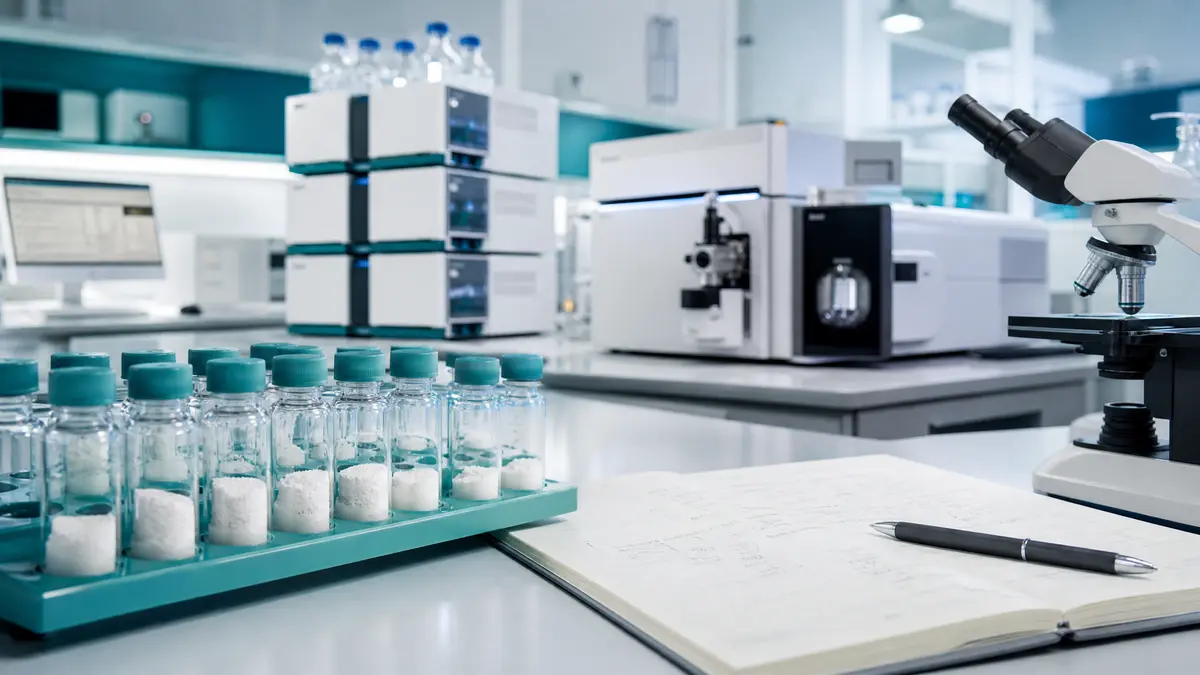
Peptides are short chains of amino acids — the building blocks of proteins — linked by peptide bonds. Research peptides are synthetically produced compounds used in laboratory and in-vitro research to study biological processes, receptor interactions, and cellular signaling pathways.
Unlike pharmaceutical drugs, research peptides are not approved by the FDA for therapeutic, diagnostic, or veterinary use. They are reference compounds for qualified researchers, sold with a Certificate of Analysis documenting identity and purity. The global peptide therapeutics market is valued at approximately $52 billion and is projected to reach $87 billion by 2035, reflecting the significant scientific interest in this compound class.
Peptide research follows a structured progression from in-vitro cell studies to animal models and, for some compounds, human clinical trials. The most-studied research peptides — including BPC-157, Semaglutide, and Tirzepatide — have accumulated substantial preclinical literature before entering or completing clinical development.
Quality is paramount in research settings. Researchers require compounds with verified identity (confirmed by LC-MS mass spectrometry), high purity (≥99% by HPLC), and documented endotoxin levels (LAL testing per USP <85>). A Certificate of Analysis (COA) from an ISO 17025-accredited laboratory is the gold standard for research-grade peptide documentation.
The quality of research peptides is determined by three primary analytical methods: High-Performance Liquid Chromatography (HPLC) for purity assessment, Liquid Chromatography-Mass Spectrometry (LC-MS) for molecular identity confirmation, and Limulus Amebocyte Lysate (LAL) testing for endotoxin quantification.
ISO/IEC 17025 accreditation is the international standard for testing and calibration laboratories. When a peptide supplier uses an ISO 17025-accredited third-party laboratory for quality control, it means the testing methods have been independently validated and the laboratory operates under a rigorous quality management system — providing a higher level of assurance than self-reported purity data.
Research peptides exist in a regulatory category distinct from pharmaceuticals and dietary supplements. In the United States, compounds like BPC-157, Ipamorelin, and CJC-1295 are not FDA-approved for any therapeutic indication and are classified as research-use-only (RUO) compounds.
The regulatory landscape for peptides is evolving. The FDA has issued guidance on compounded peptides, and researchers should stay current with applicable regulations in their jurisdiction. All compounds on USAPeptide.info are referenced for educational purposes only. Handling should follow standard laboratory safety protocols including appropriate PPE, proper storage conditions, and compliance with institutional biosafety guidelines.
Frequently Asked Questions
Ready to Source?
Research-grade · ≥99% HPLC · ISO 17025 third-party tested · COA with every order · Same-day shipping